
Deck Resurfacing or Full Rebuild: How to Tell What Yours Needs
Gray, splintered boards make a deck look finished in the wrong sense of the word, but looks are not a structural verdict. Plenty of tired Winchester decks are standing on frames with another 20 years in them, and plenty of decent looking decks are hiding rot where the ledger meets the house.
The resurface or rebuild question is really a question about what is underneath. Get that answer right and you either save a lot of money or dodge a dangerous shortcut. Here is how to think it through.
Should You Resurface or Rebuild Your Deck?
Resurface when the frame is sound and only the walking surfaces are worn: if the joists, beams, posts, and ledger pass inspection, new boards and railings can ride on the existing structure for roughly half the cost of a full rebuild. Rebuild when there is rot in the framing, movement in the footings, or a structure that predates modern safety code.
The deciding evidence lives under the deck, not on top of it. A 20 minute inspection below usually settles the question with confidence.
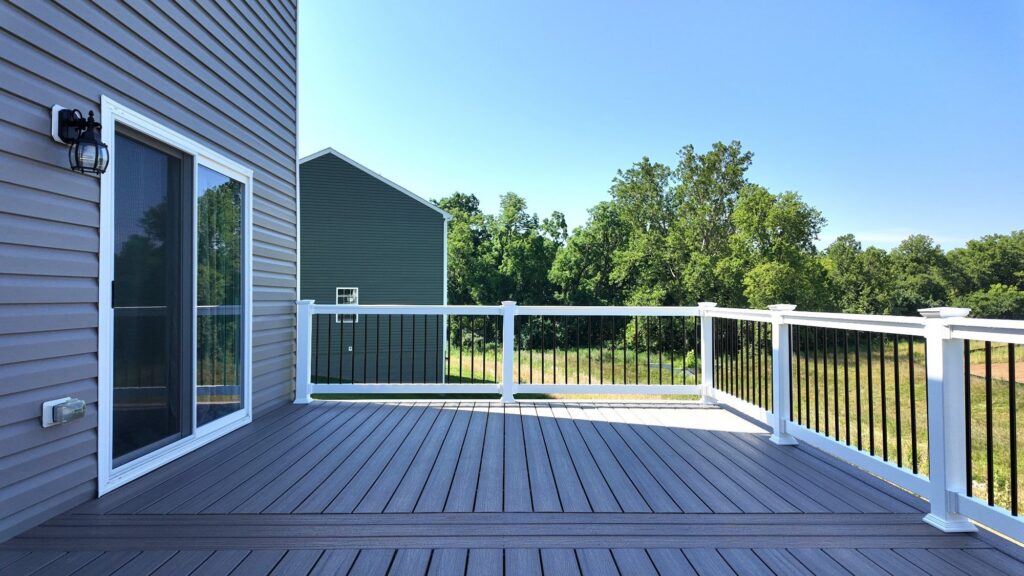
What Resurfacing Actually Involves
Resurfacing strips the deck to its skeleton. Old boards, railings, and stairs come off, the bare frame gets inspected and repaired where needed, joists get protective flashing tape, and then new decking and railing go down, most often composite so the new surface never needs staining. The deck keeps its footprint and its footings while everything you see and touch becomes new.
Cost wise, resurfacing typically lands between 40 and 60 percent of a comparable rebuild, since demolition, excavation, footings, and framing, the expensive invisible half of a new deck, are already done. It is also faster, often finishing in days instead of weeks. When the bones qualify, it is one of the best value plays in outdoor renovation.
How to Tell If Your Frame Qualifies
Grab a screwdriver and go underneath. Probe the joists, the beam, the posts, and especially the ledger board where the deck attaches to the house. Solid wood resists the tip with a firm knock. Soft, spongy wood that takes the tip easily means rot, and rot at the ledger or beam is disqualifying, not patchable. While you are down there, look for rusted through hardware, posts sitting in soil, and footings that have heaved or sunk.
Up top, push hard on the railing and bounce in the middle of the span. Widespread wobble or a trampoline feel points at the structure, not the boards. Any deck built more than 15 or 20 years ago also deserves a professional look at how the ledger is fastened, because nailed ledgers, common back then, are the failure behind most deck collapses and must be corrected regardless of which path you choose.
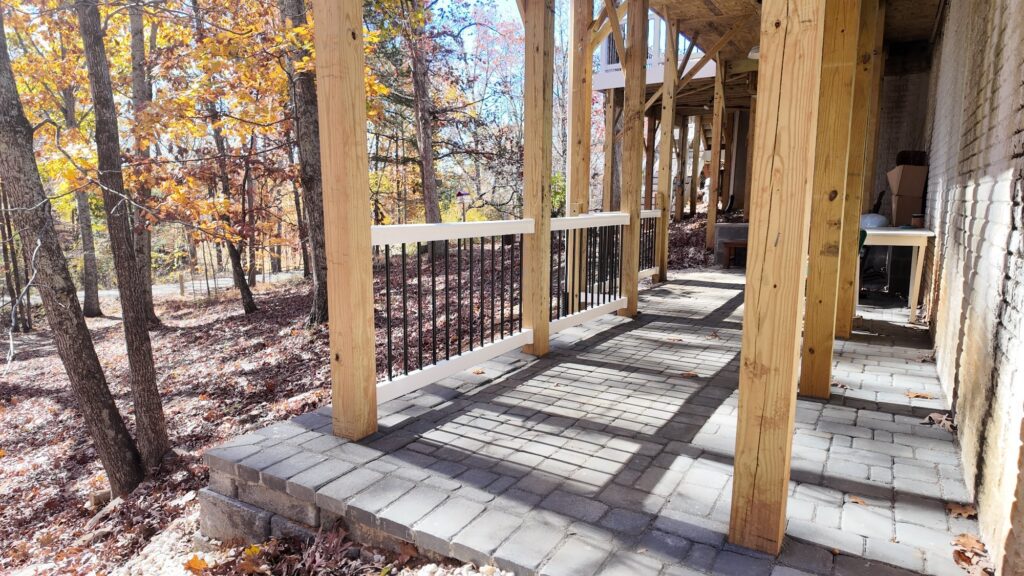
When Rebuilding Is the Smarter Spend
Some verdicts push you to rebuild even when parts of the frame are decent. Rot in beams, multiple bad joists, or a compromised ledger means the repair list costs nearly what new framing does. Undersized framing matters too: many older decks were framed with joists 24 inches apart, while most composite decking wants 16 inches or tighter, so the frame cannot legally take the surface you actually want.
A rebuild is also the only path that fixes layout. If the old deck is too small, faces the wrong way, or you want to add a screened porch, stairs in a new spot, or a second level, there is no sense resurfacing a shape you do not like. And a new deck comes with current code throughout: proper ledger bolting and flashing, lateral load hardware, and footings poured below frost depth and inspected by the county.
The Middle Path: Repair, Reinforce, Then Resurface
Between the extremes sits a common real world answer: fix the handful of weak points, then resurface. A builder can sister a compromised joist, replace a post, rebuild the stairs, and upgrade the ledger connection to modern hardware, then lay new boards over a frame that is now better than it ever was. Many Winchester resurfacing projects include a short repair list like this.
The guardrail is arithmetic. When repairs plus resurfacing climb past roughly 70 percent of rebuild cost, the rebuild wins, because it resets the clock on everything instead of most things. Ask for both numbers in writing and let the frame inspection, not the surface cosmetics, drive the call.
Bottom Line
Worn boards on a healthy frame call for resurfacing at around half the cost of new. Rot, movement, undersized framing, or a layout you have outgrown call for a rebuild. The answer is under the deck, and a screwdriver and a flashlight will tell you most of it. Stoneridge Decks & Outdoor Living inspects deck frames across Winchester and Frederick County and will give you a straight answer with real numbers for both paths.
Related reading: our deck builder hopewell services, Under Deck Drainage Turns Wasted Space Into a Dry Outdoor Room, Deck Railing Options Compared: Wood, Composite, Aluminum, and Cable


