
Deck Lighting Design That Makes Evenings the Best Part
A deck without lighting is a daytime deck. Around Winchester, that means it clocks out at 8:30 in June and by 5:00 in October, right when the Valley serves up its best sitting weather. The floodlight over the back door does not fix this. It blinds everyone at the table and leaves the stairs in shadow.
Good deck lighting is designed, not bolted on, and the difference shows up every single evening you own the place. Here is how the layers work and what to decide before the first board goes down.
What Is the Best Way to Light a Deck?
The best deck lighting layers three types of light: task lighting on stairs, cooking areas, and doorways for safety, ambient lighting from post caps and rail lights for atmosphere, and accent lighting that washes trees or the house for depth. A low voltage LED system runs all three layers from one transformer on a timer, using pennies of electricity a night.
Layering is the whole trick. One bright source creates glare and shadows, while several dim sources placed low make the same space feel calm, safe, and finished.
Safety First: Stairs, Edges, and Doorways
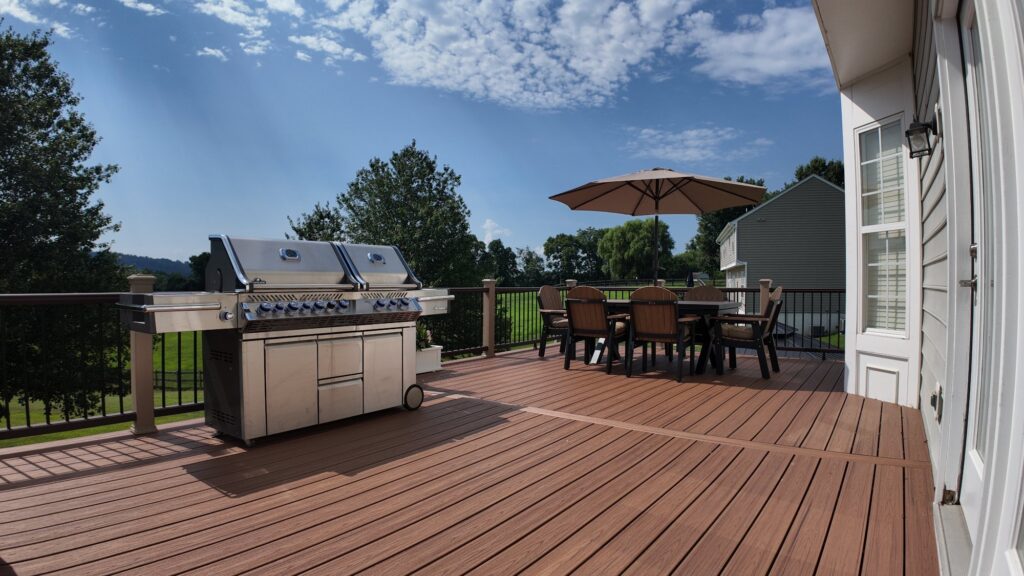
Start where people can get hurt. Every stair run should have riser lights or side mounted step lights so treads read clearly in the dark, and the transition from house to deck deserves its own soft fixture. If the deck sits well above grade, lighting along the perimeter helps guests understand where the edge is without a single ugly fixture in view.
This layer earns its money on the nights you are not entertaining too: taking the dog out at 11, carrying groceries in the rain, grilling in December. Motion activation works well here, and inspectors and insurance agents both smile on stairways you can actually see. Recessed fixtures sized for stair risers cost little when planned early, and they disappear into the build so completely that guests only notice the effect. Treat this layer as required and everything else as the reward.
The Ambient Layer: Post Caps, Rails, and Dimmers
Ambient light is what makes a deck feel like a room. Post cap lights are the classic move, casting a soft pool from the top of each railing post, and under rail LED strips add a clean line of glow with the source hidden from view. The goal is light on surfaces, never in eyes, which is why fixtures that shield the bulb always beat bare bulbs.
Two specs matter more than brand. Choose warm color temperature, around 2700K, so the deck feels like firelight instead of a parking lot, and put the whole layer on a dimmer. Dinner light and midnight conversation light are not the same brightness, and a dimmer lets one system serve both. As a bonus, warm LEDs attract noticeably fewer insects than cool white bulbs, which matters on a Virginia summer night.
Accent Lighting: Trees, Walls, and Overheads
Accent lighting is the layer that makes the yard part of the view instead of a black wall at the railing. A couple of uplights in a maple, a soft wash on the stone of the house, or fixtures mounted high in a tree casting patterns downward all give the eye somewhere to travel. Depth makes even a modest deck feel bigger at night.
Overhead, string lights across a pergola remain popular for good reason, and they have grown up: commercial grade strands with warm LEDs last for years outdoors. Keep accents subtle and aimed away from sight lines, and remember your neighbors when aiming anything upward or outward. The best accent lighting is felt more than noticed.
Wire It During Construction, Not After
The single best lighting decision is timing. When lighting is planned with the deck itself, wiring runs invisibly under boards and inside railing posts, the transformer lands in a serviceable spot, and switched circuits go where your hand expects them. Retrofits work, but they mean visible wire chases and compromises a new build never has to make.
Plan capacity while you are at it. A transformer sized with headroom lets you add landscape lights later without starting over, and smart controls or a simple photocell timer mean the deck lights itself every evening. Low voltage LED systems draw so little power that running the full setup nightly costs less per month than one takeout coffee.
Bottom Line
Layer task, ambient, and accent light, keep it warm and dimmable, and rough in the wiring while the deck is being built. That recipe turns a daytime deck into the room your family migrates to every night from April to November. Stoneridge Decks & Outdoor Living designs lighting into decks, porches, and pergolas across Winchester and Frederick County, and can show you fixture samples lit up before you commit to anything.
Related reading: our deck builder hopewell services, Why Fall Is the Best Time to Build a Deck in Winchester, Screened Porch or Three Season Room: Which One Fits Your Home?


